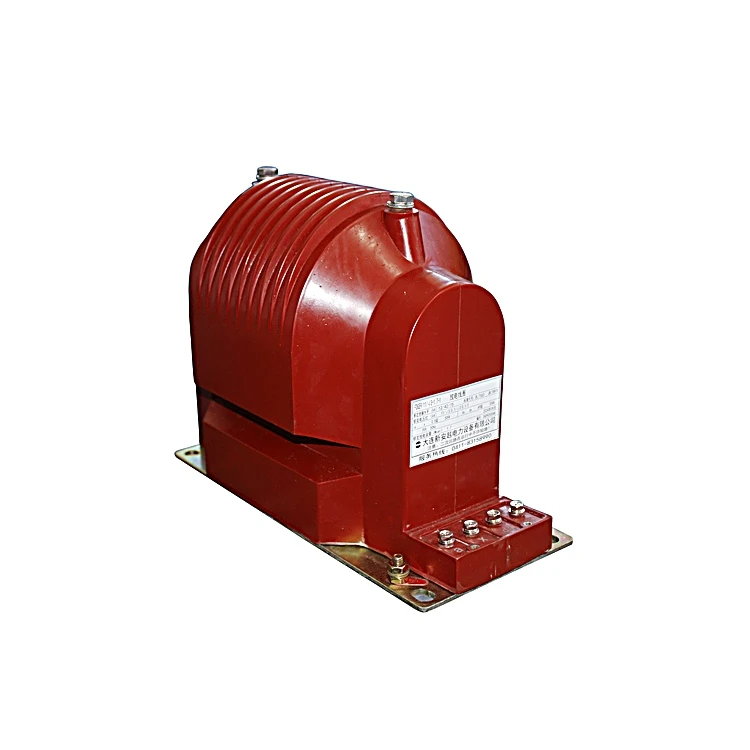
The technology of current transformers is undergoing a transformation from traditional equipment to intelligent, digital sensing components. The technological trajectory has shifted from conventional electromagnetic types to electronic, optical, and even quantum sensing technologies.
Traditional electromagnetic current transformers have long dominated the medium- and low-voltage markets due to their simple structure and low cost. Electronic current transformers achieve current measurement using technologies such as resistive voltage division or Rogowski coils; by integrating low-power coils with analog-to-digital converter chips to output digital signals directly, they overcome the issues of saturation and limited dynamic range associated with traditional equipment. They are only one-third to one-fifth the size of electromagnetic units and offer significantly improved resistance to electromagnetic interference, finding widespread application in smart substations and renewable energy power plants.
Optical current transformers, based on the Faraday magneto-optic effect, transmit signals via optical fibers, thereby completely eliminating electromagnetic interference while offering advantages such as simplified insulation, an extremely wide dynamic range, and immunity to magnetic saturation. However, they still face challenges regarding long-term operational stability, as they are susceptible to factors like temperature fluctuations, vibration, and optical path losses. Quantum current transformers utilize quantum sensors-such as nitrogen-vacancy (NV) color centers-to detect magnetic fields, enabling high-precision, highly stable, and wide-dynamic-range measurement of both AC and DC currents. This technology has already been commercialized in the power industry, with units deployed for grid-connected operation in substations.
Future development will be characterized by intelligence and digitalization, deeply integrating technologies such as the Internet of Things (IoT) and big data to evolve into devices that combine measurement, diagnostics, and early warning capabilities. By integrating sensors, communication modules, and edge computing chips, these devices will enable real-time data acquisition, local processing, and remote transmission. In terms of digitalization, the gradual refinement of industry standards is enhancing product interoperability. Current transformers will be deeply integrated with equipment such as circuit breakers and disconnectors to form intelligent combined switchgear, thereby reducing equipment footprint and installation costs. Meanwhile, products are trending toward miniaturization and modularity to meet the demands of smart grid upgrades and distributed energy integration.
As the "dual carbon" goals advance and new power systems are constructed, increasingly stringent requirements are being placed on the accuracy, reliability, and environmental adaptability of current transformers. For instance, offshore wind farms require instrument transformers to be resistant to salt spray and corrosion, while flexible HVDC transmission systems demand support for wide-frequency measurement and rapid response. To meet the requirements of green power grids, there is a trend toward oil-free designs and solid-state insulation, alongside a reduction in operational energy consumption. Low-power wireless current transformers (CTs) utilize energy harvesting technology and support wireless transmission, making them suitable for remote monitoring nodes. Beyond the power sector, demand is also growing rapidly in emerging fields such as rail transit, industrial automation, data centers, electric vehicle charging stations, and industrial variable-frequency drive systems.